

Hey everyone!
Today, I want to do something a bit different and dive into a topic that’s super important for businesses, especially those that deal with physical products and large inventory balances – Working Capital Analysis.
Don’t worry if that sounds too technical, I’m here to break it down in a simple, friendly way (or at least try!). By the end of this short piece I hope to have given you a much clearer understanding of what working capital is, why it matters, and how businesses use it to stay on top of their operations.
Ready? Let’s go!

At its core, working capital is a company’s short-term financial health. It’s the money a business uses for day-to-day operations – basically the difference between what a company owns (current assets) and what it owes (current liabilities). The formula is simple:
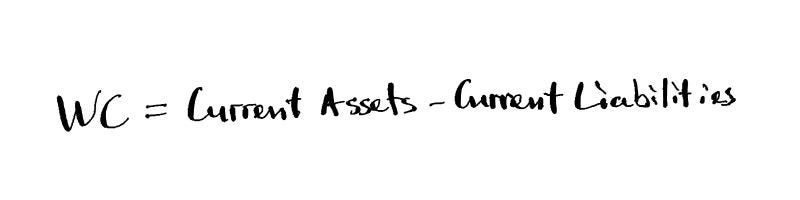
Current assets include things like cash, accounts receivable (money owed to the company), and inventory (goods waiting to be sold or used in production). Current liabilities, on the other hand, are things like accounts payable (money the company owes to suppliers), short-term loans, and other short-term payables.
When a company has more current assets than current liabilities, it has a positive working capital, which generally means it’s in a good position to handle its short-term obligations. If current liabilities are larger than current assets, that’s a sign of trouble – the business might not be able to cover its payables in the near future.
Working capital is especially crucial for companies that deal with physical goods and large inventories. Imagine you’re running a manufacturing company. You’ve got raw materials sitting in a warehouse, finished products ready to ship, and you’re waiting for customers to pay you for goods you’ve already delivered. All of this ties up cash that could be used for other things, like paying your suppliers or investing in the growth of the business.
If a company doesn’t have enough working capital, it can struggle to stay afloat. It may need to take out short-term loans just to keep things running, which can get expensive and risky. On the other side, if a company has too much working capital tied up in inventory or outstanding customer invoices, it’s missing out on opportunities to grow or invest that money more effectively.
In a nutshell, having the right amount of working capital means having the flexibility to handle unexpected challenges, like a customer delaying a payment or a supplier hiking up prices.
To really understand and manage working capital, we can use a few key ratios and metrics.
1. Working Capital Ratio (Current Ratio)
The current ratio is one of the most common ways to measure working capital. It’s calculated by dividing current assets by current liabilities:
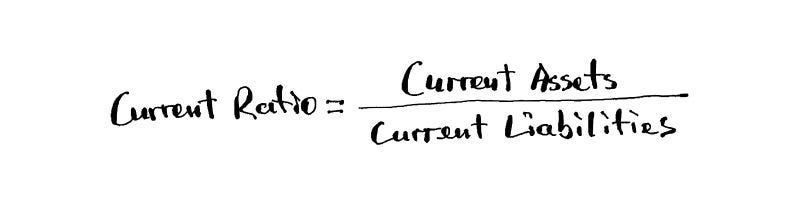
A current ratio above 1.0 means the company has more current assets than liabilities – in most situations, a good sign. However, a ratio that’s too high (e.g., above 3 or 4) might mean the company is holding onto too much cash or inventory that could be put to better use. A high ratio can also mean the company is struggling to collect dues from customers or to negotiate better payment terms with vendors.
2. Inventory Turnover
For inventory-heavy businesses, this ratio is essential. Inventory turnover measures how many times a company sells and replaces its inventory in a given period:

A high inventory turnover means the company is selling goods quickly, which is a good sign. A low turnover could suggest overstocking or slow-moving products, which ties up working capital unnecessarily.
3. Cash Conversion Cycle
The Cash Conversion Cycle (CCC) measures how long it takes for a company to turn its resources into cash. Here’s a quick rundown of its components:
DSO (Days Sales Outstanding): How long it takes to collect payment from customers.
DPO (Days Payable Outstanding): How long the company takes to pay its suppliers.
DIO (Days Inventory Outstanding): How long inventory sits before it’s sold.
The Cash Conversion Cycle then adds all of these up:

The shorter the CCC, the faster a company is turning its resources (like inventory and accounts receivable) into cash. For a deeper dive into this, check out this detailed article on Cash Conversion Cycle and how to analyze it over time.
Managing working capital isn’t always easy. There are a few common challenges businesses face that can throw things off balance:
1. Overinvestment in Inventory
It’s tempting to stock up on inventory, especially if you expect a surge in demand. But too much inventory can tie up cash that could be used elsewhere. Plus, if the inventory doesn’t sell, it can become outdated or obsolete, leading to markdowns or waste.
2. Customer Payment Delays
Waiting for customers to pay can really slow down your cash flow. If a business doesn’t have a handle on its accounts receivable, it can quickly run into trouble paying its own bills. Offering early payment discounts or improving invoicing processes can help speed up collections.
3. Tight Payment Terms with Suppliers
On the other hand, paying suppliers too quickly can drain cash reserves. It’s important to negotiate favorable terms with suppliers and take advantage of any discounts for early payment – without hurting your own cash flow.
Working capital may not be the most exciting topic, but it’s critical to keeping a business running smoothly, especially for companies that handle physical goods or large inventories. By keeping an eye on key metrics like the current ratio and the cash conversion cycle, you can spot trouble before it starts and make smarter decisions about how to use their cash.
Hope this gives you a clearer picture of working capital and how important it is to analyze and track it over time. Most analysts would also research industry averages for the ratios and working capital levels and regularly benchmark against those. This helps you keep an eye on your competitors and how the industry progresses.
Okay, that’s all I had for today. Thanks for reading and sharing the newsletter with your friends and colleagues. It’s the main way I reach new people who might find value in what I have to share.
Until next time!
Best,
Dobri🍃